Why Correct Cycling Posture Matters
One of the most beneficial things you can do for your body and mind is to ride a bike. Riding a bike keeps you active and aware of your surroundings, whether you’re using it for exercise, exploring new trails, or commuting to work.
However, many riders fail to consider the importance of good bicycle posture. Your comfort, performance, and future wellness can all be significantly impacted by how you sit, peddle, and arrange your body on the bike.
Let’s explore the importance of proper posture and how to determine the ideal position for your ride.
⚙️ The Importance of Proper Posture
When you maintain good cycling posture, you help your body move efficiently and comfortably. Here’s what that means:
Better Comfort:
Sitting with the right alignment reduces pressure on your neck, shoulders, and back, making your ride smoother and more enjoyable.
Improved Performance:
Good posture allows your muscles to work together effectively, giving you more power with each pedal stroke.
Reduced Fatigue:
When your body is balanced, you use less energy to stay steady, which means you can ride longer without feeling worn out.
Fewer Injuries:
Poor posture can lead to sore wrists, tight hips, or knee pain over time. Keeping your body aligned helps prevent those small issues that can turn into big problems.
🧍♂️ What Correct Cycling Posture Looks Like
Every cyclist’s body is different, but these general principles apply to most riders:
- Head and Neck
Keep your head in a neutral position — not tilted too far up or down. This helps you look ahead comfortably without straining your neck.
- Shoulders
Relax your shoulders and keep them down, away from your ears. Tension in the upper body can cause stiffness after a ride.
- Back
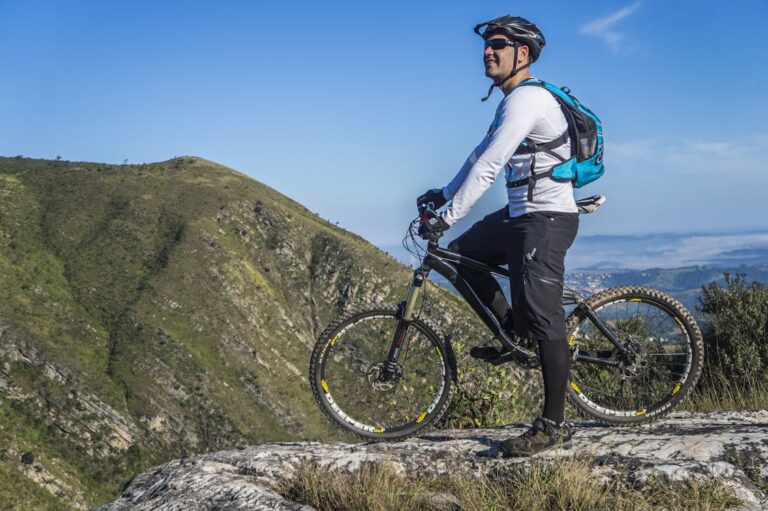
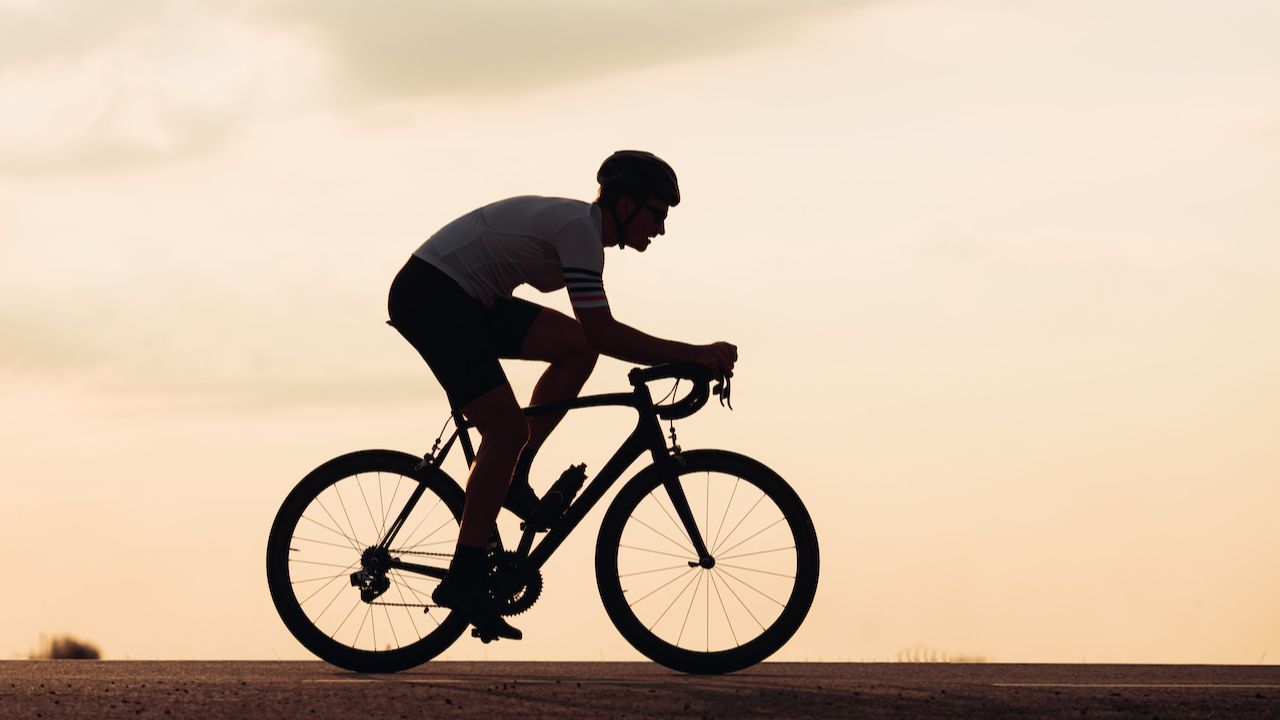
Aim for a slight forward lean with a flat or gently curved back. Avoid rounding your spine; instead, hinge from your hips so your torso stays strong and supported.
- Arms and Hands
Your elbows should be slightly bent, not locked. This helps absorb road vibrations and keeps your hands from going numb.
Alternate your hand positions on the handlebars during long rides to avoid fatigue.
- Hips
Sit squarely on the saddle, keeping your hips stable as you pedal. Rocking side to side can waste energy and strain your lower back.
- Knees and Feet
Your knees should move in a straight line over your pedals.
Make sure the balls of your feet rest on the pedals, not your arches or toes. This gives you better control and power.
🧩 Finding the Right Bike Fit
Even perfect posture won’t help much if your bike isn’t adjusted to fit your body. Here are a few tips to check your setup:
Saddle height: When the pedal is at its lowest point, your knee should have a slight bend — not completely straight.
Handlebar position: Adjust the height so you can reach comfortably without over-stretching.
Reach distance: Your elbows should stay slightly bent when your hands rest on the bars.
If you ride often, consider getting a professional bike fitting. A small adjustment in seat or handlebar height can completely transform your comfort level.
🧘 How Posture Affects Breathing and Energy
When you ride with good posture, your lungs can expand more fully. That means better oxygen flow, more endurance, and improved focus on long rides.
Poor posture — especially a rounded back or tight shoulders — can compress your chest, making it harder to breathe deeply. That’s why riders who sit tall and open through the chest tend to feel more energetic and less fatigued.
💪 Strength and Flexibility Matter Too
Correct cycling posture doesn’t just happen by itself — it’s supported by a strong, flexible body.
Try incorporating these exercises into your weekly routine:
Core strengthening: Planks, bridges, and abdominal holds help you stay stable on the bike.
Hip stretches: Loosen tight hips with lunges or seated stretches.
Shoulder rolls: Keep your upper body relaxed and mobile.
Even five minutes of stretching before and after your ride can make a noticeable difference.
🌤️ Everyday Benefits of Good Posture
The best part? The posture habits you develop while cycling carry over into your daily life.
When you sit at a desk, drive, or stand in line, your body will naturally start to align itself better. You’ll likely feel less tension in your back, more confidence in your stance, and even improved focus thanks to better circulation and breathing.
🏁 Final Thoughts
Cycling is more than just pushing pedals — it’s about how your body moves as a whole. Correct posture keeps you safe, comfortable, and strong, whether you’re cruising through city streets or tackling mountain trails.
Remember: small adjustments make a big difference. Take a few minutes to check your position before your next ride, and your body will thank you with smoother, more enjoyable miles.
Ride smart, stay balanced, and enjoy the journey!